Behavioural Optometry
Put simply, behavioural optometry looks at how one’s visual skills can affect academic learning, sports and a range of visual behaviours. Without healthy sight and good visual skills – a child will not be able to perform to their full potential. This is where we can help.
What behavioural optometry testing involves.
A Behavioural Optometry assessment includes a range of additional tests beyond a standard eye examination. These assessments look at how the eyes work together, how visual information is processed, and how effectively vision supports everyday activities such as learning, reading, and concentration.
Many visual skills develop through experience and are learned over time rather than being fully developed at birth. While a child may have clear 20/20 vision, this does not always mean that all aspects of their visual development are performing at the expected level for their age.
A Behavioural Optometry assessment helps identify areas where visual skills may be affecting a child’s comfort, confidence, or ability to engage with their environment.
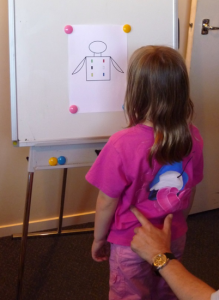
What does treatment involve?
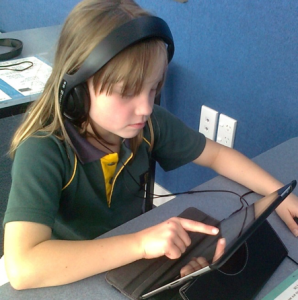
If a problem is found, treatment may involve glasses to support near vision; exercises to train visual skills or in some cases, tinted lenses. For younger children, we offer cost effective home-based therapy solutions that include training activities for which we train parents to use.
For older students, we offer computer or iPad based therapy called iCept. Our Optometrist, Stuart Warren developed the iCept app. Through the app patients complete activities based on the extensive research of Professor Fischer from Freiburg University in Germany.